
The Restaurant Growth Architecture: Why Food Marketing Agencies Fail (And How Revenue Engines Work)
Authenticated By
Maruf Khan
Published On
September 5, 2026
The Illusion of Social Media Vanity
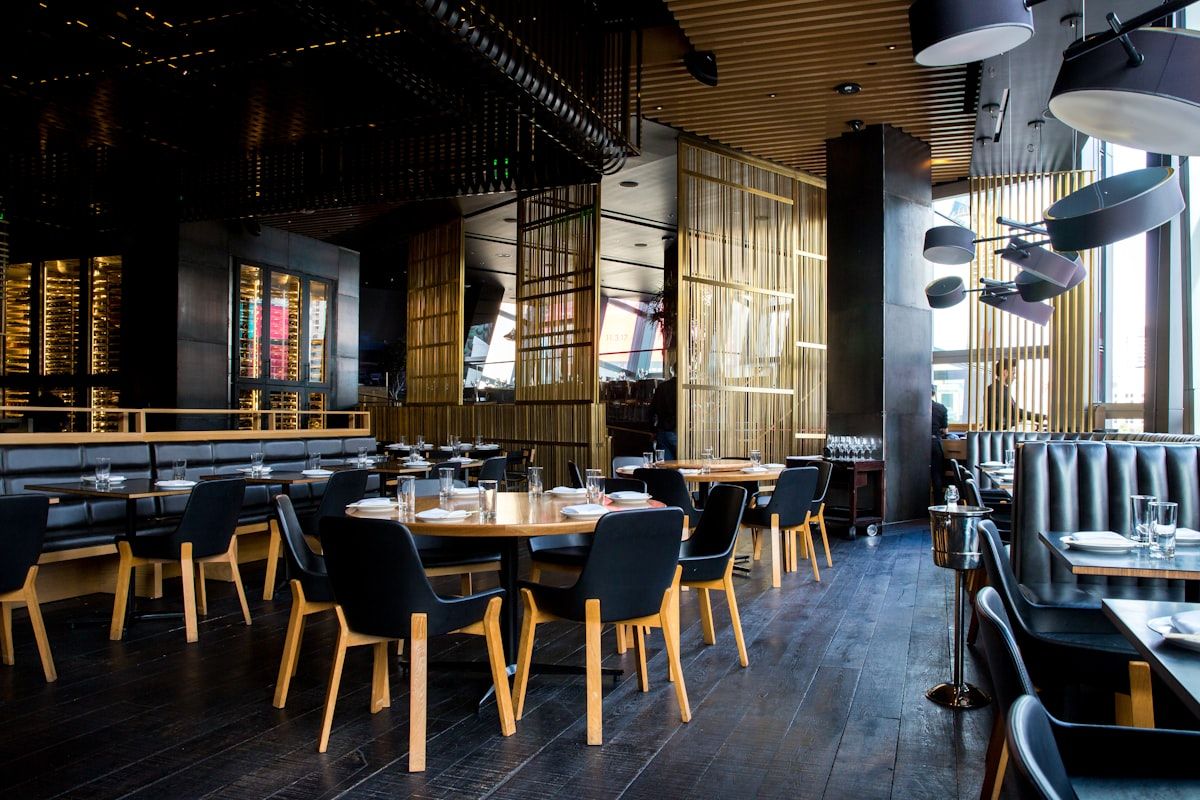
Walk down West Broadway in Soho or Brickell Avenue in Miami on any Tuesday evening, and you will witness a peculiar paradox. Outside, on sidewalk chalkboard menus, restaurants advertise happy hours. Inside, dining rooms operate at 35% table capacity.
Yet, if you open Instagram, these exact same establishments have 40,000 followers, professionally shot reels of cheese-pulls, and marketing retainers costing $4,000 to $7,000 every single month.
"The restaurant business is not a branding exercise. It is a mathematical yield management challenge governed by perishable inventory: an empty seat at 7:30 PM cannot be sold tomorrow."
Traditional food marketing agencies sell awareness. They measure success by impressions, video views, and follower spikes. But hospitality operators do not pay rent with impressions—they pay rent with gross margin and covers.
The Mathematical Reality: Mastering RevPASH
In airline and hotel revenue management, every seat-mile and hotel room is treated as a dynamic asset. In restaurants, the definitive metric is RevPASH (Revenue Per Available Seat Hour).
To calculate your true RevPASH:
- Step 1: Calculate your total revenue for a specific shift or operating window.
- Step 2: Multiply your total available seats by the total hours open.
- Step 3: Divide total revenue by seat-hours.
For example, an 80-seat bistro open for a 4-hour dinner shift possesses 320 seat-hours. If the shift generates $9,600 in sales, the RevPASH is $30.00.
When a marketing agency launches generic promotional campaigns without modeling RevPASH, they frequently drive volume during peak Friday and Saturday seatings—when the kitchen is already at capacity—while leaving Tuesday and Wednesday shifts starving for margin.
The Third-Party Delivery App Margin Bleed
Over the past five years, independent and multi-unit operators have outsourced customer acquisition to Silicon Valley marketplace aggregators (DoorDash, UberEats, Caviar). While these platforms deliver ticket volume, they introduce two lethal structural flaws:
1. 30% Commission Extraction: On a 10% to 15% net restaurant margin, paying a 25% to 30% commission turns food preparation into a subsidized loss-leader. 2. Diner Disintermediation: The aggregator retains the customer's email address, phone number, and transaction history. The restaurant remains a ghost kitchen inside another company's walled garden.
High-margin operators reverse this flow. They use targeted local paid media and OmniSearch to capture diners directly, capturing first-party customer data into proprietary POS systems.
The 3 Pillars of an Engineered Hospitality Growth Engine
Building a predictable, scalable guest acquisition engine requires moving away from one-off creative shoots and adopting systemic infrastructure:
1. Local OmniSearch Dominance
Over 74% of high-intent dining decisions begin on Google Maps, Apple Maps, or localized search prompts. Dominating local search requires multi-point schema architecture, structured menu markup, and real-time review velocity.
2. Algorithmic Paid Diner Acquisition
Instead of boosting posts to generic audiences, deploy conversion-optimized Meta and Google campaigns targeting diners within a strict 3-to-5 mile radius who exhibit high disposable dining spend. Measure ad spend strictly against direct reservation confirmations and POS check values.
3. Automated First-Party Diner Reactivation
Acquiring a new guest costs five times more than retaining an existing one. By tying your table management system (OpenTable, Resy, or SevenRooms) to automated diner workflows, you can trigger personalized re-booking sequences within 21 days of their first visit.
Conclusion: The Shift from Marketing to Infrastructure
The era of paying creative agencies for aesthetic photos that fail to fill seats is over. Operators who survive the next economic cycle are those who treat guest acquisition as an engineered, measurable pipeline.
At RestauReach, we architect direct reservation engines that connect directly to your POS, fill low-occupancy weekday shifts, and reclaim control over diner relationships.
Deepen your Knowledge.
Continue your research into hospitality dominance.
Sep 6, 2026
The Third-Party Delivery Trap: How to Migrate DoorDash and UberEats Diners to Direct Ordering
Paying 30% delivery commissions destroys restaurant profitability. Learn the automated 4-step diner conversion playbook to turn third-party app customers into loyal direct-ordering guests.
Sep 6, 2026
How to Calculate True Customer Acquisition Cost (CAC) for Independent & Multi-Unit Restaurants
Most restaurant operators underestimate diner acquisition costs by 40% by ignoring delivery commissions, platform fees, and table churn. Here is the step-by-step formula to calculate and reduce true restaurant CAC.
Mar 24, 2026
Beyond the Plate: Why Restaurant Marketing is Dead (And What’s Replacing It)
test